
Call Center Agent
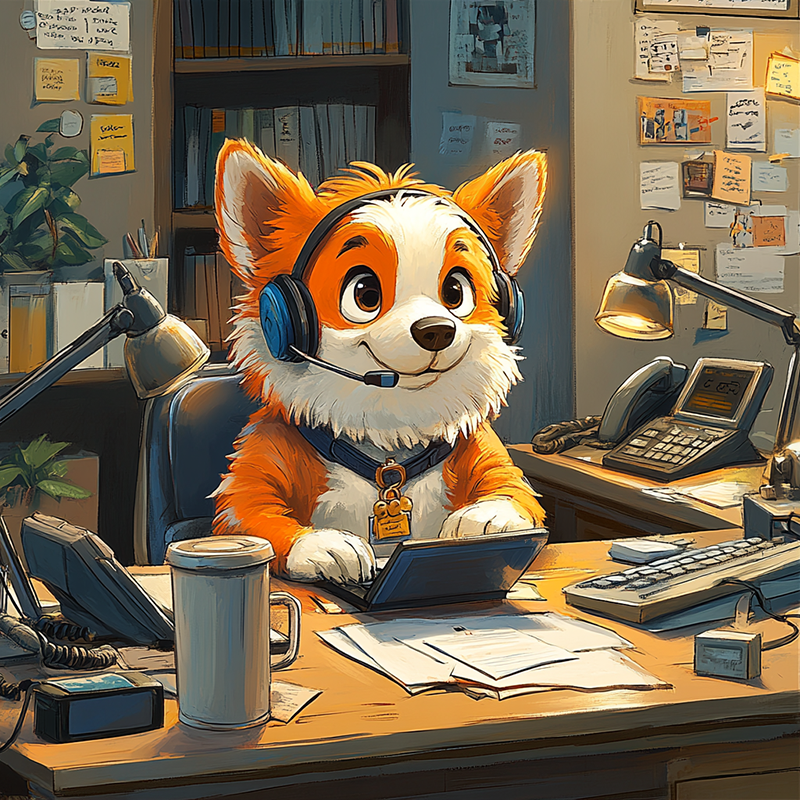
"Thank you for calling, how can I help you today?" ☎️
Call center agents answer customer calls, solve problems and help people over the phone, and many now do it from home.
It's a quick job to start, but the field is changing because of AI. Let's be honest about it.
What is this job, really?
The simple version: a call center agent answers customer calls and helps solve their problems by phone.
Think of a call center agent as the voice of a company. When you call your bank, internet provider or airline, the person who answers (after the music) is a call center agent.
What does a call center agent actually do?
Answers incoming calls.
Solves problems: billing, bookings, technical issues, complaints.
Uses a computer system to look up customer information.
Takes notes about each call.
Sometimes makes outgoing calls: reminders, surveys or sales.
Who needs call center agents, and why?
Banks, insurance companies, telecom, airlines, healthcare, online shops and outsourcing companies that run calls for many businesses. Many customers still prefer to talk to a real person, especially when the problem is stressful.
Freelance or in a company?
Almost always employed, by a company or call center agency. Remote positions are common. Many roles have shifts.
How much talking is involved?
All day. This is a talking job. If you love chatting with people, great. If phone calls make you nervous, this might be tough.
How hard is it to learn? How long does it take?
Very fast. Companies usually train you themselves, often in a few weeks. What you need: a clear voice, patience, good listening skills, a quiet place at home and a good headset. If you've worked with customers face to face, you already have the most important skills.
You'll probably enjoy it if you:
Like talking to people.
Stay calm under pressure.
Enjoy helping someone go from angry to "thank you so much".
How is AI changing this job?
AI impact: Hard entry 🤖
Voice AI now handles many simple calls: "what's my balance?", "when is my delivery?". So there are fewer roles overall. The calls that remain for humans are often more complex or emotional.
Honest downsides
Fewer jobs than before.
Repetitive and tiring work.
Stressed or angry callers.
Shifts and strict schedules. Bathroom breaks may be timed. Really.
Try it before you choose it
Here's a secret nobody tells you: you don't have to choose a profession for the rest of your life. You're picking something to try. Like a new dish at a restaurant. If you hate it, you order something else next time. No drama.
And honestly? You can't know if you'll like a job until you try it. Reading about it is like reading about swimming. Useful, but you stay dry.
So here's the tiny, safe step:
Take one short beginner course. Watch a few lessons in the evening, after work. Try a small practice task. Then ask yourself one simple question: "Do I want to do more of this?"
Yes? Great. Now it makes sense to look for a deeper, more serious course.
No? Also great. You just saved yourself months, and you can try the next job on your list.
Either way, you keep your current job while you test the waters. No quitting, no big risks, no throwing your stapler out of the window.