
Content / Community Moderator
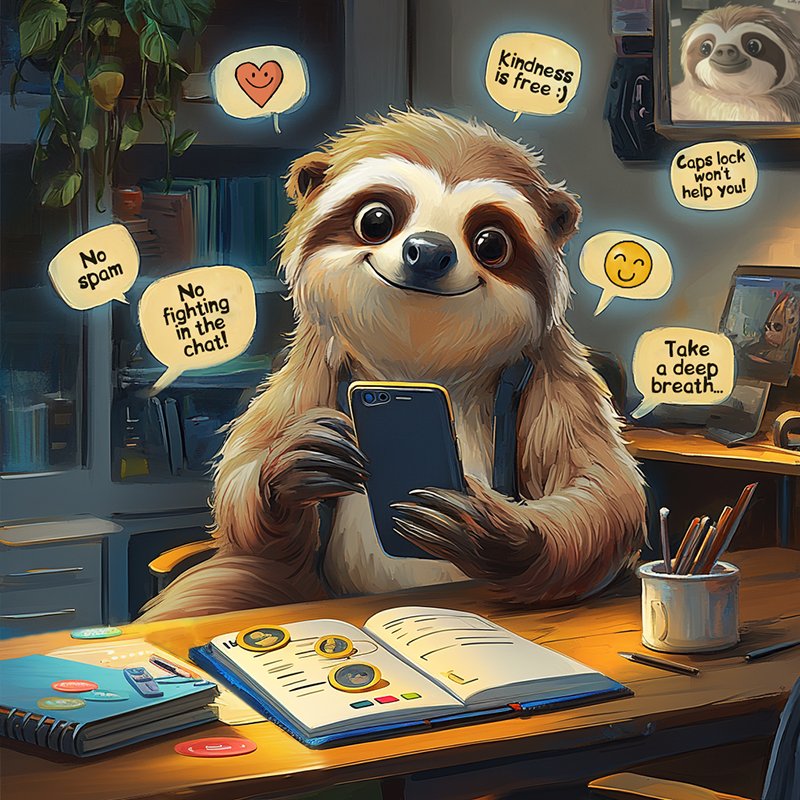
Somewhere on the internet right now, someone is posting spam, scams or rude comments. 🚫
Moderators are the people who keep online spaces safe and clean.
It's a quiet, behind-the-scenes job. Let's see what it involves, including the hard parts.
What is this job, really?
The simple version: a content moderator checks posts, comments, photos and videos, and removes what breaks the rules.
Think of a moderator like a security guard at a big party. Most guests are fine. But someone has to notice the person causing trouble and ask them to leave, so everyone else can enjoy the party.
What does a moderator actually do?
Reviews posts and comments against the platform's rules.
Removes spam, scams and offensive content.
Handles reports from users.
Warns or bans users who break rules.
Escalates serious cases to the right team.
Who needs moderators, and why?
Social platforms and forums.
Online communities and groups.
Marketplaces and review sites.
Moderation agencies that work for big companies.
Freelance or in a company?
Mostly in companies or outsourcing agencies. Many roles have shifts.
How much talking is involved?
Low. Mostly quiet, individual work.
How hard is it to learn? How long does it take?
In a few weeks you can learn moderation basics and tools. Companies usually train you on their own rules. Good language skills, attention to detail and a calm mind are important.
You'll probably enjoy it if you:
Like quiet, routine work.
Have good judgment.
Want to make online spaces safer.
How is AI changing this job?
AI impact: AI-assisted 🤖
AI now filters most content automatically. Humans handle the edge cases: things AI isn't sure about, jokes, context, cultural differences. So the job is shifting from "check everything" to "judge the hard cases".
Honest downsides
Some content can be upsetting. On some platforms, moderators see disturbing material. Good employers offer support and breaks, and it's worth asking about this before taking a job.
Repetitive work.
Shifts.
Modest pay at the entry level.
Try it before you choose it
Here's a secret nobody tells you: you don't have to choose a profession for the rest of your life. You're picking something to try. Like a new dish at a restaurant. If you hate it, you order something else next time. No drama.
And honestly? You can't know if you'll like a job until you try it. Reading about it is like reading about swimming. Useful, but you stay dry.
So here's the tiny, safe step:
Take one short beginner course. Watch a few lessons in the evening, after work. Try a small practice task. Then ask yourself one simple question: "Do I want to do more of this?"
Yes? Great. Now it makes sense to look for a deeper, more serious course.
No? Also great. You just saved yourself months, and you can try the next job on your list.
Either way, you keep your current job while you test the waters. No quitting, no big risks, no throwing your stapler out of the window.