
Customer Support Specialist (chat & email)
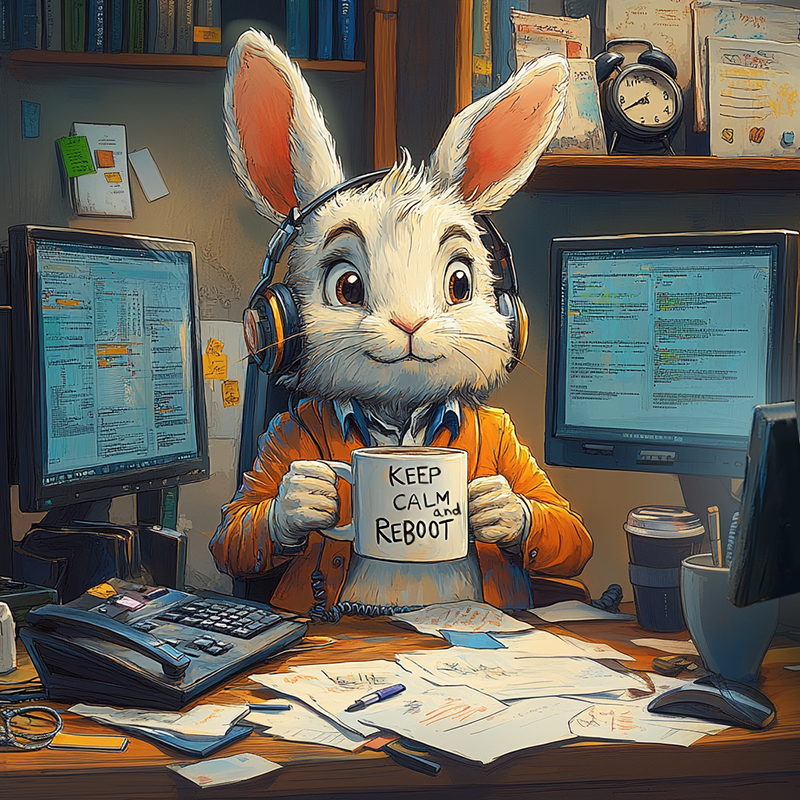
"Where is my order?" "How do I change my password?" "I was charged twice!" 😱
Someone answers these questions every day, by chat and email. That's a customer support specialist.
It's a classic entry door into remote work, but AI has changed it a lot. Let's look honestly.
What is this job, really?
The simple version: a customer support specialist answers customers' questions and solves their problems by chat and email.
Think of a friendly person at the information desk in a big store, but online. Customers come with questions or problems, and you help them, calmly and kindly, even when they type IN CAPITAL LETTERS.
What does a customer support specialist actually do?
Answers chats and emails.
Solves problems: refunds, account issues, shipping questions.
Explains how a product works.
Passes complex cases to other teams.
Writes notes in the support system so others can follow.
Shares feedback about common problems with the company.
Who needs customer support, and why?
Online shops, apps, software companies, travel and delivery services, almost any business with customers. Good support keeps customers. Bad support makes them leave, and write angry reviews.
Freelance or in a company?
Mostly in companies or outsourcing firms, often fully remote. Many roles have shifts, including evenings and weekends.
How much talking is involved?
Lots of writing. You "talk" to customers all day, but by chat and email, not phone.
How hard is it to learn? How long does it take?
This is one of the faster jobs to start. In a few weeks you can learn support tools (like Zendesk or Intercom) and good written communication. Experience with customers in shops, restaurants, hotels or healthcare is a big advantage. You already know how to handle unhappy people with a smile.
You'll probably enjoy it if you:
Like helping people.
Stay calm when someone is upset.
Type fast and write clearly.
How is AI changing this job?
AI impact: Hard entry 🤖
Chatbots now answer many simple questions ("where's my order?"). So companies need fewer beginners for first-line support. That's the honest part.
What still needs humans: complex problems, upset customers, special cases and anything that needs judgment and empathy. Support specialists who handle these well, and work smoothly with AI tools, are still needed.
Honest downsides
Fewer beginner roles than a few years ago.
Repetitive questions.
Shifts, sometimes at night or on weekends.
Upset customers. You'll need a thick skin and a kind heart.
Try it before you choose it
Here's a secret nobody tells you: you don't have to choose a profession for the rest of your life. You're picking something to try. Like a new dish at a restaurant. If you hate it, you order something else next time. No drama.
And honestly? You can't know if you'll like a job until you try it. Reading about it is like reading about swimming. Useful, but you stay dry.
So here's the tiny, safe step:
Take one short beginner course. Watch a few lessons in the evening, after work. Try a small practice task. Then ask yourself one simple question: "Do I want to do more of this?"
Yes? Great. Now it makes sense to look for a deeper, more serious course.
No? Also great. You just saved yourself months, and you can try the next job on your list.
Either way, you keep your current job while you test the waters. No quitting, no big risks, no throwing your stapler out of the window.