
Photo Editor / Retoucher
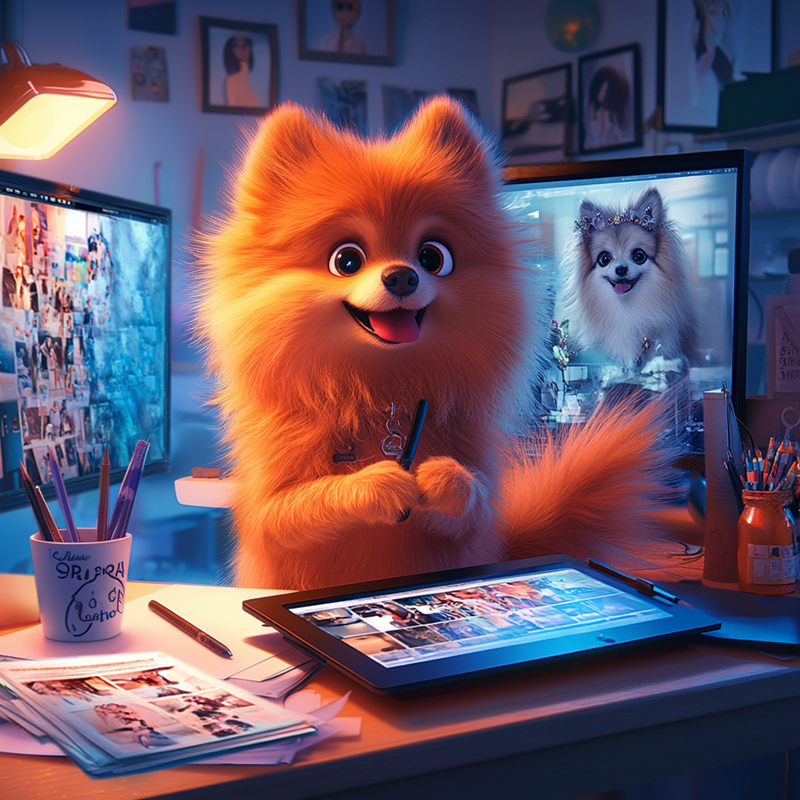
Fun fact: almost every photo you see in an ad has been touched by a human. The wrinkles on the shirt are gone. The sky is a little bluer. The burger looks juicier than any burger in real life. 🍔
That's the work of a photo editor, also called a retoucher.
Let's see what this job is about and what AI did to it (spoiler: a lot of one-click magic).
What is this job, really?
The simple version: a photo editor makes photos look their best.
Think of a photo like a cake from the oven. It's already a cake. But the editor adds the frosting: fixes the light, corrects the colors, removes the crumbs, and makes it look like it's ready for a magazine.
What does a photo editor actually do?
Fixes light and colors so photos don't look too dark, too yellow or too gray.
Cleans up details: removes dust, stains, stray hairs, a random tourist in the background.
Retouches portraits carefully, so people look fresh but still like themselves.
Changes backgrounds, for example a white background for online shop products.
Edits large batches of photos: a whole wedding, or 300 product photos for a store.
Who needs a photo editor, and why?
Photographers. Many love shooting, but not sitting for hours editing 800 wedding photos. They hand that part over.
Online shops: every product needs a clean, consistent photo.
Magazines, brands and agencies for ads and catalogs.
Real estate agents: bright, straight photos of apartments.
Freelance or in a company?
Mostly freelance, working with photographers and shops. Some editors work for studios, agencies or e-commerce companies.
How much talking is involved?
Low. You get photos and instructions, edit, send back. Messages and email, rarely calls.
How hard is it to learn? How long does it take?
The basics are quite reachable. In 1 to 6 months of regular practice, you can learn Lightroom and Photoshop well enough for simple paid work like product photos or basic color correction.
High-end retouching (beauty, fashion, advertising) takes much longer and needs a very trained eye.
Tip: practice on free photos from stock websites, and show "before and after" pictures in your portfolio. Clients love a good before-and-after.
You'll probably enjoy it if you:
Notice tiny details others don't see.
Find calm, repetitive tasks relaxing, not boring.
Love photography.
How is AI changing this job?
AI impact: AI-assisted 🤖
AI changed this job a lot. Removing a background, deleting an object or smoothing skin used to take time. Now it's often one click. So simple editing became cheap, and some clients do it themselves.
What still needs a human:
Quality control. AI sometimes adds a sixth finger or melts an earring. Someone has to notice.
Natural results. Over-edited faces look like plastic. A good editor knows when to stop.
High-end work for brands and magazines, where every pixel matters.
Consistency: 300 photos that all look like one beautiful set.
Editors who use AI tools are simply faster, and can take more work.
Honest downsides
The low end is crowded and cheap, partly because of AI.
Repetitive work. Photo number 247 of the same shoe can feel long.
Deadlines, especially after weddings and big events.
Lots of screen time, which is hard on your eyes.
Try it before you choose it
Here's a secret nobody tells you: you don't have to choose a profession for the rest of your life. You're picking something to try. Like a new dish at a restaurant. If you hate it, you order something else next time. No drama.
And honestly? You can't know if you'll like a job until you try it. Reading about it is like reading about swimming. Useful, but you stay dry.
So here's the tiny, safe step:
Take one short beginner course. Watch a few lessons in the evening, after work. Try a small practice task. Then ask yourself one simple question: "Do I want to do more of this?"
Yes? Great. Now it makes sense to look for a deeper, more serious course.
No? Also great. You just saved yourself months, and you can try the next job on your list.
Either way, you keep your current job while you test the waters. No quitting, no big risks, no throwing your stapler out of the window.