
Proofreader / Editor
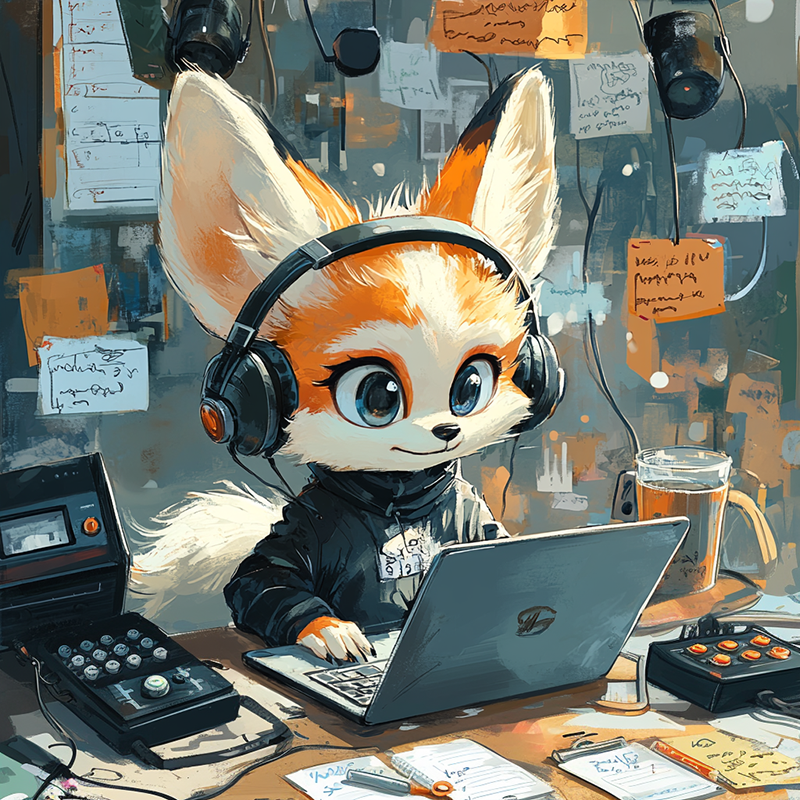
"Your welcome." "Lets eat grandma." "We offer free delievery."
If these made you twitch a little, you might have the eye of an editor. 🔍
Proofreaders and editors fix mistakes and make texts clearer. But this job changed a lot in the last few years, so let's be very honest about it.
What is this job, really?
The simple version: a proofreader finds and fixes mistakes. An editor goes deeper and makes the whole text better.
Think of a text like a house. The proofreader checks that there are no cracks in the windows and that every door closes: spelling, commas, typos. The editor looks at the whole house: are the rooms in a logical order? Is there a staircase to nowhere? Does the house feel nice to walk through?
What does a proofreader or editor actually do?
Fixes spelling, grammar and punctuation.
Makes sentences clearer and shorter.
Checks facts, names and numbers.
Keeps the style consistent: same words, same format, same tone everywhere.
Edits texts written by AI, which often sound nice but say little, or get facts wrong.
Who needs a proofreader or editor, and why?
Authors before publishing a book.
Companies for websites, reports and marketing texts.
Students and researchers for papers (check the rules of their school first).
Publishers, magazines and agencies.
Businesses that use AI to write, and need a human to make it accurate and readable.
Freelance or in a company?
Mostly freelance, working with authors, agencies and businesses. Some editors work in publishing houses, media or big companies.
How much talking is involved?
Low. Most work happens in comments on documents. You'll exchange emails, and sometimes explain your changes.
How hard is it to learn? How long does it take?
If you already have excellent language skills, you can learn proofreading techniques and style guides in 1 to 6 months.
But here's the honest part: simple proofreading is now hard to sell (see below). The work that remains is editing, which needs more experience: understanding structure, style and facts. Experience in a specific field (medicine, law, finance, tech) helps a lot, because clients pay more for an editor who understands the topic.
You'll probably enjoy it if you:
Notice typos on menus and can't "un-see" them.
Love reading and words.
Enjoy calm, focused work.
How is AI changing this job?
AI impact: Replaced 🤖
We won't pretend here. AI tools now fix spelling and grammar very well, instantly and almost for free. That means basic proofreading as a separate paid job has mostly disappeared. Few people pay a human to fix commas anymore.
What's still needed:
Real editing: structure, logic, style, voice.
Fact-checking. AI confidently makes things up. Someone has to catch it.
Expert editing in special fields where mistakes are expensive.
Editing AI-written texts so they sound human and say something real.
This is a path for people who already have strong language skills and some expertise, not the easiest starting point for a beginner.
Honest downsides
Simple proofreading is largely gone.
Low rates for general editing, high competition.
Repetitive and detail-heavy work.
You'll need a specialty to stand out.
Try it before you choose it
Here's a secret nobody tells you: you don't have to choose a profession for the rest of your life. You're picking something to try. Like a new dish at a restaurant. If you hate it, you order something else next time. No drama.
And honestly? You can't know if you'll like a job until you try it. Reading about it is like reading about swimming. Useful, but you stay dry.
So here's the tiny, safe step:
Take one short beginner course. Watch a few lessons in the evening, after work. Try a small practice task. Then ask yourself one simple question: "Do I want to do more of this?"
Yes? Great. Now it makes sense to look for a deeper, more serious course.
No? Also great. You just saved yourself months, and you can try the next job on your list.
Either way, you keep your current job while you test the waters. No quitting, no big risks, no throwing your stapler out of the window.