
Voice-over Artist
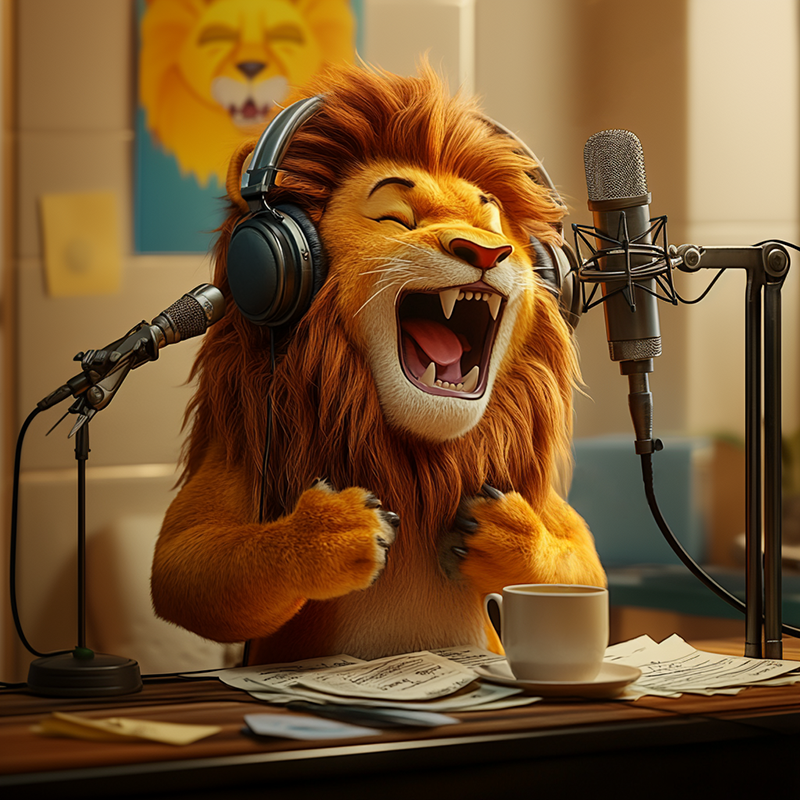
People often say: "You have such a nice voice, you should do audiobooks!" 🎙️
The voice in an ad, a cartoon, an audiobook or a video game belongs to a voice-over artist, often recording from a small home studio.
It sounds like a dream job. But AI has changed it dramatically, so let's be very honest.
What is this job, really?
The simple version: a voice-over artist records their voice for ads, videos, audiobooks, games and more.
It's acting, but only with your voice. You can't use your face or hands to show emotion. Everything has to be in your voice: the smile, the excitement, the drama, the calm of a meditation app.
What does a voice-over artist actually do?
Records ads for radio, YouTube and social media.
Reads audiobooks.
Voices characters in cartoons and games.
Records explainer videos and online courses.
Records phone messages ("Your call is important to us...").
Edits their own audio, removing breaths, mistakes and the neighbor's dog.
Who needs a voice-over artist, and why?
Brands and ad agencies.
Audiobook publishers and authors.
Game and animation studios.
Companies and online schools with video content.
Freelance or in a company?
Almost always freelance. You audition for projects (send short samples) and get chosen, or not.
How much talking is involved?
Well, you talk for a living! 😄 But with clients, communication is mostly written: scripts, instructions, feedback.
How hard is it to learn? How long does it take?
A nice voice is not enough. You need to learn:
voice acting: how to read naturally, with emotion and good timing;
home studio basics: a good microphone and a quiet space (a closet full of clothes is a classic home studio);
audio editing.
In 1 to 6 months you can learn the basics and record a demo. But getting regular paid work takes longer.
You'll probably enjoy it if you:
Love reading out loud and doing voices.
Can listen to your own voice without cringing. (That one's harder than it sounds.)
Like working alone.
How is AI changing this job?
AI impact: Replaced 🤖
This is one of the jobs AI hit hardest. AI voices are now very good and cheap. Simple narration (explainer videos, e-learning, phone messages, basic YouTube voice-overs) is now often done by AI. That used to be the beginner's entry door, and it's mostly closed.
What still uses humans:
Ads where emotion and brand personality really matter.
Audiobooks, especially fiction, though AI narration is growing there too.
Games and animation, where acting is everything.
The work that remains needs real acting skills, and competition is strong. If you love it, think of it as a long road, best started as a side project.
Honest downsides
Many beginner jobs are gone because of AI voices.
Strong competition for the remaining work.
Lots of auditions, lots of "no".
Your voice is your tool. A cold can cancel a week of work.
Try it before you choose it
Here's a secret nobody tells you: you don't have to choose a profession for the rest of your life. You're picking something to try. Like a new dish at a restaurant. If you hate it, you order something else next time. No drama.
And honestly? You can't know if you'll like a job until you try it. Reading about it is like reading about swimming. Useful, but you stay dry.
So here's the tiny, safe step:
Take one short beginner course. Watch a few lessons in the evening, after work. Try a small practice task. Then ask yourself one simple question: "Do I want to do more of this?"
Yes? Great. Now it makes sense to look for a deeper, more serious course.
No? Also great. You just saved yourself months, and you can try the next job on your list.
Either way, you keep your current job while you test the waters. No quitting, no big risks, no throwing your stapler out of the window.